How to Choose the Best Online Art Course for Your Skill Level
online class online courses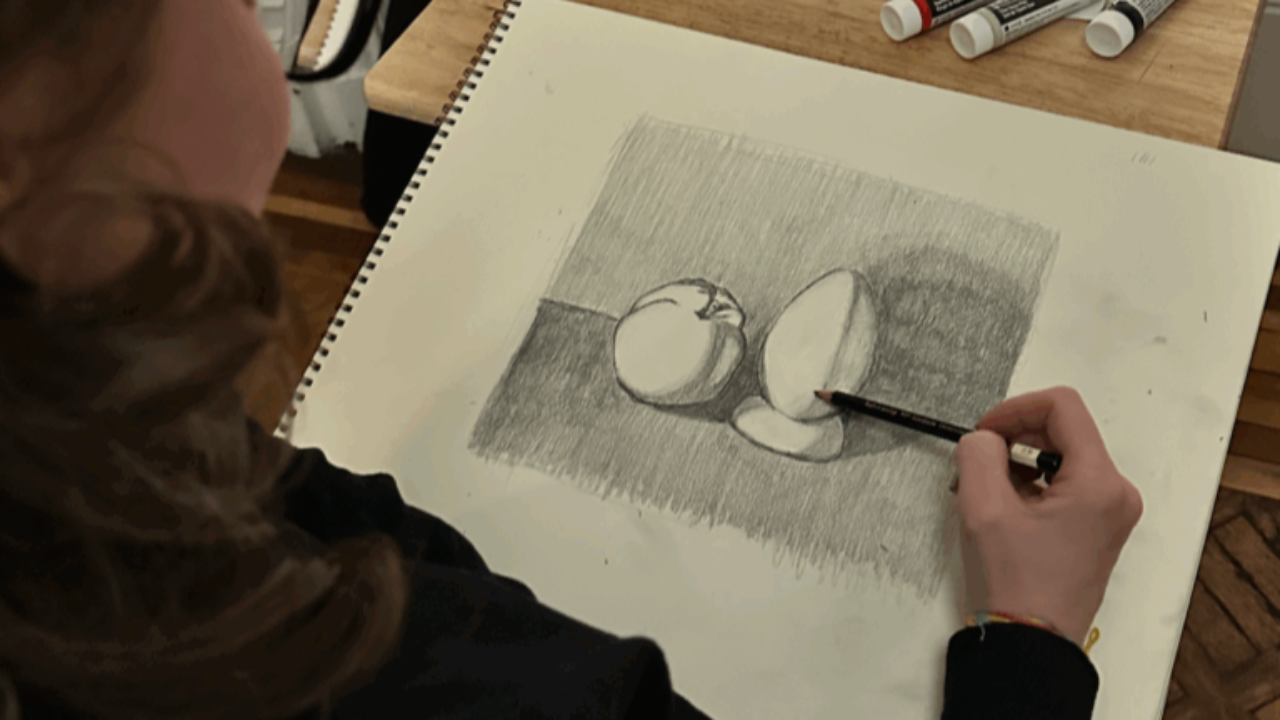
Since the onset of the 2020 global pandemic, online art classes have seen a major boom. Platforms like Domestika, Skillshare, Proko and Drawing America have remained dominant forces in art education. Initial uncertainty was raised about the efficacy of online art learning as in-person institutions shut down. Yet over the following years, educational technologies and art establishments have created effective, seamless online courses that include interactive classes, workshops, one-on-one critiques, and online learner communities. (Business Research Insights)
Distance learning has revolutionized art education, broadening access to learning from world-class artists. Online platforms offer powerful technical skill building, and courses are made accessible to all skill levels. For professionals in the illustration, animation and fine art industries, a degree from an esteemed university may help get your application to the front, but it is ultimately technical prowess that gets you hired. For learners who don’t have the time or finances to commit to a full in-person program, online art learning is an exceptional way to improve quickly and have fun. (Salkowitz)
It can be challenging to select the best online class for you among many options. Two keys factors to consider are the skill level you’re starting with, and your goals for your learning outcome.
Does My Skill Level Matter When I’m Choosing an Online Art Course?
Most important is your willingness to learn, however, skill level does play a factor in how much you’ll be able to reap the benefits of a given course. A course on narrative illustration that recommends the use of Procreate software may not be best suited to you if you’ve never used Procreate. It’s desirable to use your time absorbing and applying insights from your instructor rather than wrestling with technical issues.
Some examples to assess your skill level:
Beginner: This is your first time using oil paint, and you’re not familiar with what mediums or surfaces to use, what tools to clean your brushes with, or oil painting safety. This is an excellent starting point to try an oil painting for beginners class, where these foundational elements are woven into the curriculum alongside others like color theory.
Intermediate: You’ve had some experience with oil paint and are familiar with mediums and solvents, are fairly comfortable with manipulating paint and cleaning your brushes, and want guidance on technical elements like mixing paint, as well as color theory, form and value. An oil painting for intermediate learners class is a great starting point for you.
Advanced: You’ve been oil painting for more than a year and are very comfortable manipulating paint, have a substantial understanding of color theory, value and form, yet want to learn from an experienced instructor more subtle technical aspects like likeness or creating form. An advanced oil painting class is suitable for you.
While technique is naturally incorporated in most curriculums, it’s helpful to determine your sweet spot where you’re at a growth edge, yet have some grasp of the technique to avoid becoming overwhelmed.
How will my skill level affect my learning pace and expected outcomes?
Read the course description to get a feeling for the skill level the course is geared towards. Consider the outcome you hope to achieve by the end of the course. If you want to gain confidence around technical handling and gain some foundational knowledge, a beginner course would be ideal. Selecting a course compatible with your skill level will ensure you’re neither under- nor overwhelmed, and the learning pace will be optimal for you to reap the most from the class. Many classes will be a great fit for a combination of beginners and intermediate learners, or intermediate and advanced. If you have questions, reach out to Drawing America to determine whether a course is suitable for you.
Types of Online Art Courses Based on Skill Level:
Beginner Courses: Foundational Skills
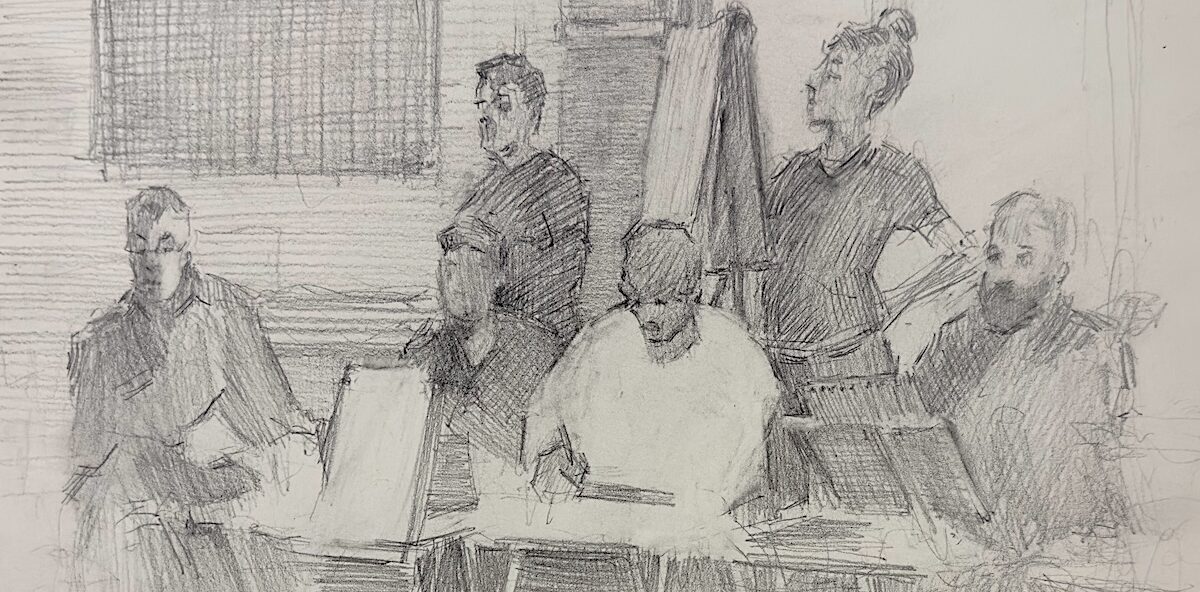
Expect to gain some foundational knowledge, like how to mix paint and use different pencil weights most effectively. A beginner online figure drawing class will introduce basics like proportion and shapes, gesture, and measuring methods like comparative measurement.
Intermediate Courses: Refining and Exploring
An intermediate online figure drawing class will focus on refining skills and exploring different mediums. With a foundational base of knowledge to work from, you will be able to experiment with different value ranges, work on fine-tuning proportion and likeness, and elevate your understanding of form and structure.
Advanced Courses: In-depth Exploration, Personalized Feedback
An in-depth exploration of specific art styles or advanced techniques. You can expect personalized feedback and mentorship from experienced instructors who will guide you around paint application styles to achieve different aesthetics.
Course Features to Consider for Your Skill Level
Course Structure: Do you need self-paced learning, or do you prefer scheduled sessions?
If you prefer learning at your own pace, being able to pause and rewatch videos, a pre-recorded class may be right for you. If you learn better with direct and in-the-moment feedback, scheduled session classes are the way to go.
Instructor Expertise: How does the teacher’s experience align with your needs?
Browse the instructor’s work and see if you resonate with it, and if you’d like to draw or paint like them. Consider your technical and aesthetic goals. Does the instructor’s work visually match what you’d like to achieve? If you’re interested in realism or drawing from life, choose an instructor who specializes in realist art. If you like more expressive or narrative art, Drawing America offers numerous courses led by illustrators par excellence.
Course Materials: What’s included (e.g., downloadable resources, access to tools, etc.)?
Many classes offer downloadable resources. Take a look at the course materials offered. Resources like this can be a great way to revisit what you learned in the class at a later date.
Interactive Elements: How important is student interaction (e.g., forums, live sessions)?
Is it important to you to be part of a community and interface with your classmates? It can often be engaging to interact with your classmates and a great way to learn from others. Courses with live sessions can provide a classroom environment.
Feedback Mechanisms: Availability of critiques, peer reviews, or one-on-one sessions
Take a look at the availability of one-on-one critiques offered in the course. You can fine-tune your class selection by determining what level of guidance you want from your instructor.
Recap
Why choose a course based on your skill level
By selecting a course that’s aligned with your skill level, you’ll harness crucial building blocks in the medium of your choice and level up efficiently. If you are unsure about the exact course fit for you, don’t hesitate to reach out to Drawing America!
Get started!
Starting a new medium or pushing yourself farther in your skills can feel daunting at first! Our instructors are here to guide you every step of the way so that you are empowered with skills to practice on your own and make work you are proud of. Take the leap – you are guaranteed to grow and have fun, and you will likely be surprised by how quickly you advance.
Works Cited
Business Research Insights. “Online Art Courses Market Size, Share, Growth, and Industry Analysis, By Type (Painting, Manual, Calligraphy, Others), By Application (Child, Youth, Adult), and Regional Insight and Forecast to 2033.” Business Research Insights, 2024, https://www.businessresearchinsights.com/market-reports/online-art-courses-market-118621. Accessed 12 04 2025.
Salkowitz, Rob. “As Demand For Art Professionals Booms, Online Art Schools Are Drawing A Crowd.” Forbes, 21 05 2021, https://www.forbes.com/sites/robsalkowitz/2021/05/21/as-demand-for-art-professionals-booms-online-art-schools-are-drawing-a-crowd/. Accessed 12 04 2025.
Drawing America
Simon Levenson
At Drawing America, you’ll find a welcoming environment where you can grow as an artist — no matter where you’re starting from.